How to increase website conversion through design
Websites have long ceased to be just company business cards or their representations on the internet. Today, they are powerful sales tools that help effectively achieve set goals. Therefore, it is crucial that an online resource not only attracts a large number of potential visitors but also converts them into actual buyers, directly increasing business profitability. If your website is not performing this function, the issue might lie in the design, which is not conversion-oriented.
What is website conversion?
Conversion is the act of a visitor performing a target action set by marketers. This could be making a purchase, filling out a form, calling a manager, registering or logging in, reposting on social media, etc. The percentage of users who perform this target action relative to the total number of visitors within a specific time frame is the website conversion rate. High conversion is the goal of all advertisers, marketers, and business owners, as it is a key indicator of a website’s success and effectiveness.

For example, for an online store selling children’s goods or clothing, a high conversion rate would be measured by completed purchases through the site or calls to managers. For an online magazine or newspaper, the target action would be subscriptions, and for a job search service, it would be filling out applications or forms. Website conversion indicates whether visitors like the resource, whether the direction and project are successful, and whether it is worth continuing in the current direction.
Types of conversion
Conversion can be broadly divided into several types: direct and associative, micro-conversion and macro-conversion.
- Macro-Conversion refers to achieving the main goal – the actual purchase, payment, and delivery of the product, which generates profit for the business owner.
- Micro-Conversion encompasses all target actions performed by the visitor that do not directly bring profit to the owner. This could include filling out a form, subscribing to a newsletter, registering, or logging in.
Improving the design with a focus on conversion involves optimizing various elements and functionalities to enhance the user experience and guide visitors toward performing the desired actions. Ensuring that the design is user-friendly, intuitive, and visually appealing can significantly impact the conversion rates and overall success of your website.
Factors affecting conversion
There are many factors that influence conversion, but it’s important to highlight the main ones. Firstly, the type of visitors matters. New visitors who are browsing the resource for the first time are much less likely to make purchases or perform other target actions compared to those who have visited before. In other words, the conversion rate from new users is typically lower.
The second significant factor is the design of the website. This includes not only the visual appearance of the pages but also their aesthetics, relevance, typography, and the overall user-friendliness of the resource. First impressions and the appeal of the site are crucial for the client.
Other factors that influence conversion include:
- Web Usability: The ease of using the resource, the simplicity of finding the necessary product/service or information.
- Unique and Attractive Content: Content that is engaging and appealing to users.
- Loading Time: The time it takes for pages, images, and videos to load.
- Technical Functionality: The smooth and quick operation of all site features.
- Type of Business: This affects the nature of the product and the audience itself.
- Traffic Source: The channels through which visitors arrive at the resource.
- Ad Settings: The relevance of the advertising to the consumer’s needs and expectations.
- Analysis of Conducted Work and Marketing Campaigns: Identifying effective ways to attract visitors that lead to conversions.
Website design and its impact on conversion
Conversion-centered design (CCD) is a relatively new concept that deserves the attention of not only marketers but also online resource owners and those looking to increase the profitability of existing websites. Numerous studies have shown that a concise external appearance, various visual techniques, and elements contribute to increased consumer loyalty, longer site visits, and target actions.
Principles of conversion-centered web design
- Simplicity and Conciseness The global trend towards simplification has also touched web design. This means minimizing unnecessary details and focusing on essential elements.
- Clear Navigation with Minimal Steps Ensuring a straightforward navigation system and reducing the number of steps needed to complete the desired action is key to success.
- Adaptability The site must display correctly on PCs, laptops, tablets, and smartphones.
How to increase website conversion through design
Based on research, experiments, and the experience of designers and marketers at the Online Media marketing agency, several key areas influence conversion-centered design:
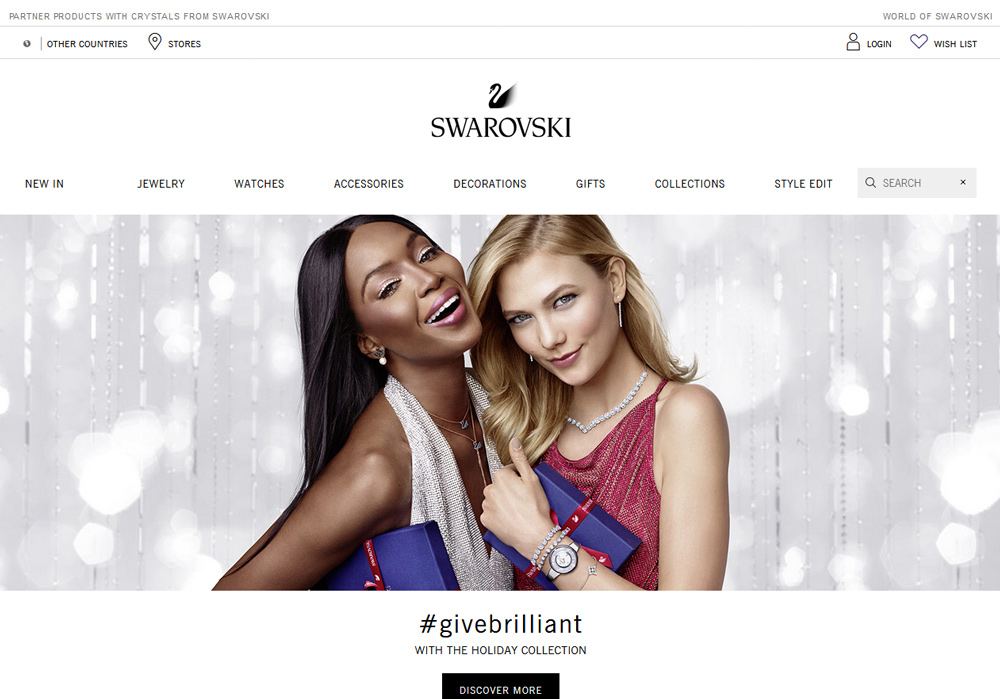
- Negative space
In design and art, negative space refers to the unfilled space around or within the main object, which does not attract direct attention but requires closer inspection and evokes interest.
Negative space is an excellent way to simplify and minimize the design, leaving empty areas without burdening the user with unnecessary graphic or navigational elements and calls to action. This approach saves users’ time and avoids overwhelming them.
- Rule of thirds
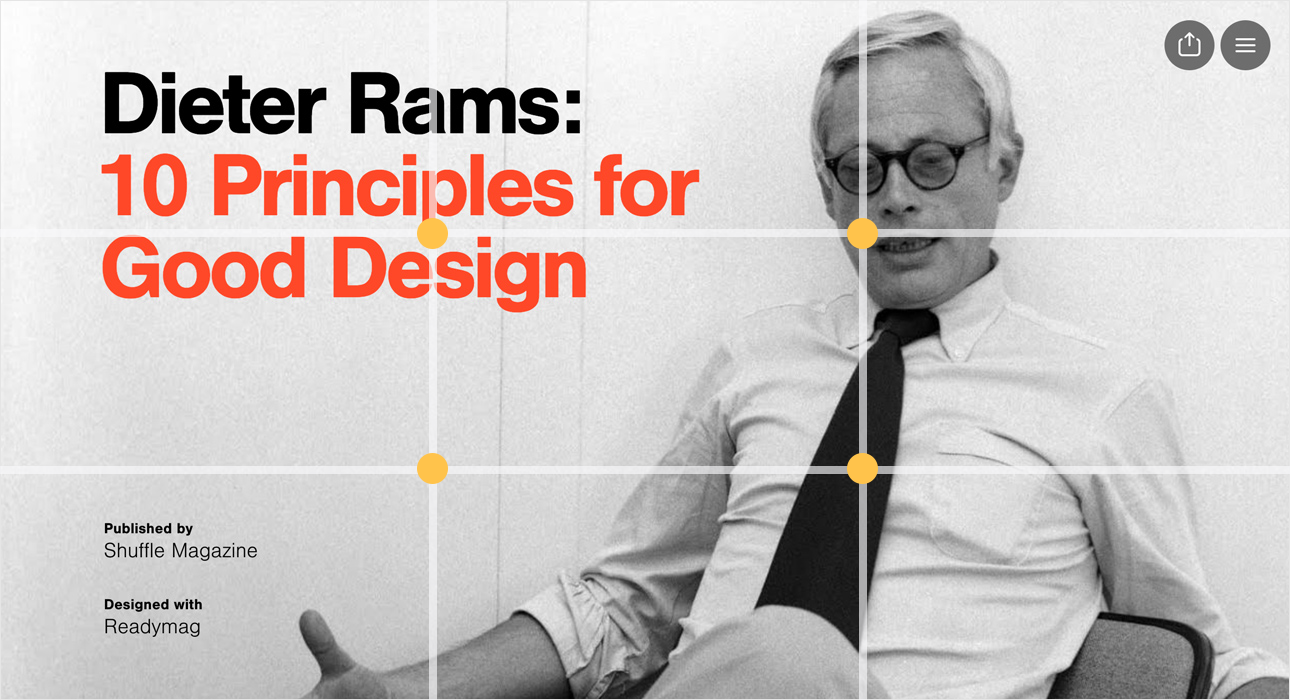
A fundamental rule of minimalist web design, the rule of thirds, is a composition principle based on simplified proportioning of the main image. According to this rule, the screen is divided into three parts, with the main object placed on the left or right, leaving the other two-thirds free. This helps to focus attention properly on the main subject. While this rule might not apply to logo design or small images, it is perfect for landing pages and pages with plenty of negative space.
- The F-pattern
Numerous experiments have shown that a visitor’s eye movement on a webpage mimics the shape of the letter “F.” This applies not to minimalist images but to content-rich web pages. Visitors first scan the upper part from left to right, then move down the left side and again shift their gaze to the right, and finally, move down the left side again.
Understanding the F-Pattern allows designers to place the most important information along the axes of this pattern. For instance, calls to action or form fills should be placed on the left side of the page, while secondary information can be placed on the right.

- Use of images
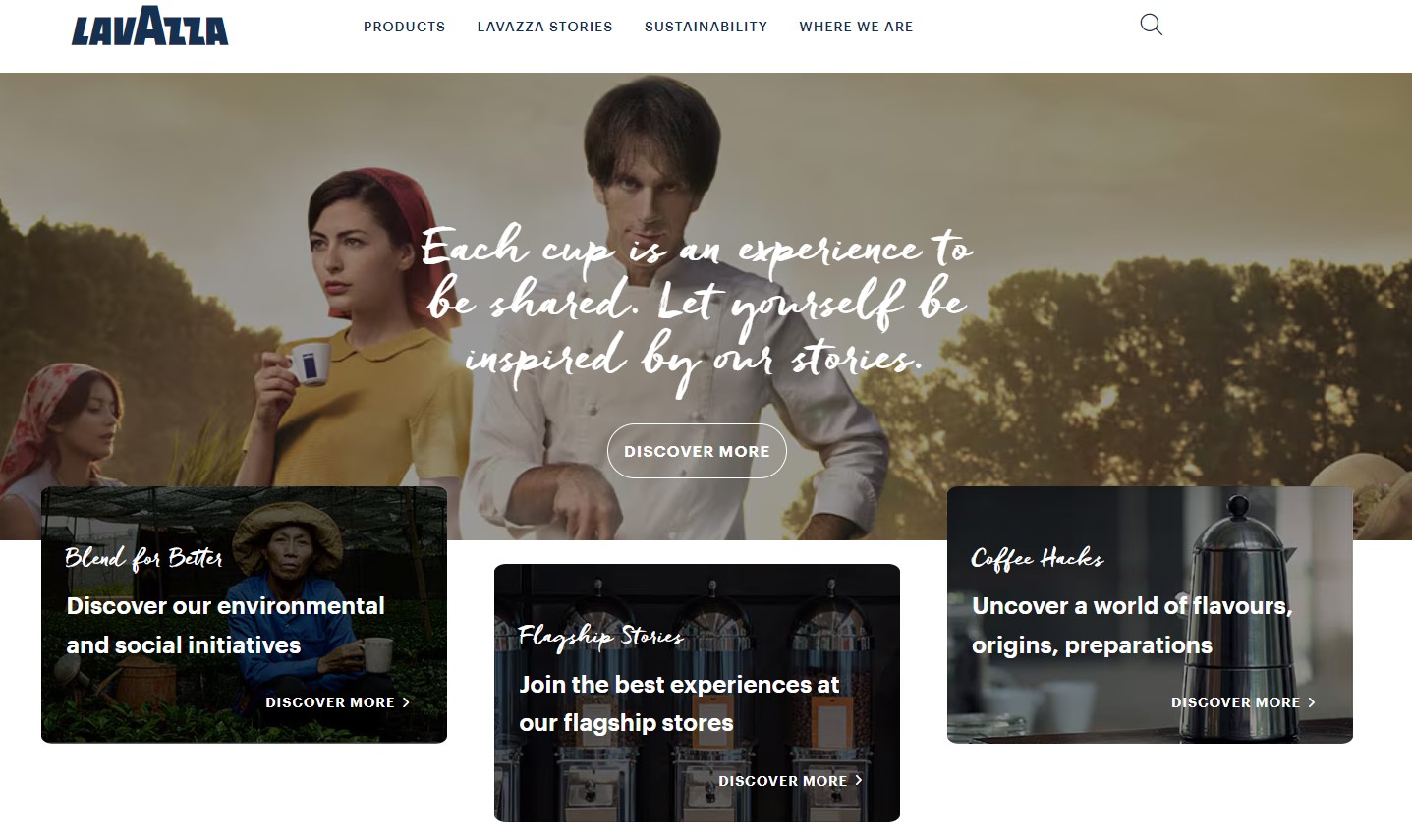
Marketers affirm that photographs and illustrations enhance the emotional connection with visitors, “hooking” them on a subconscious level. Ideally, this connection should be positive to help increase loyalty to the product/service or brand.
It is advisable to use real photographs taken professionally. Ideally, these images should depict people, but they can also include animals or fantastical creatures, depending on the product/service’s specifics.
- Readability and contrast
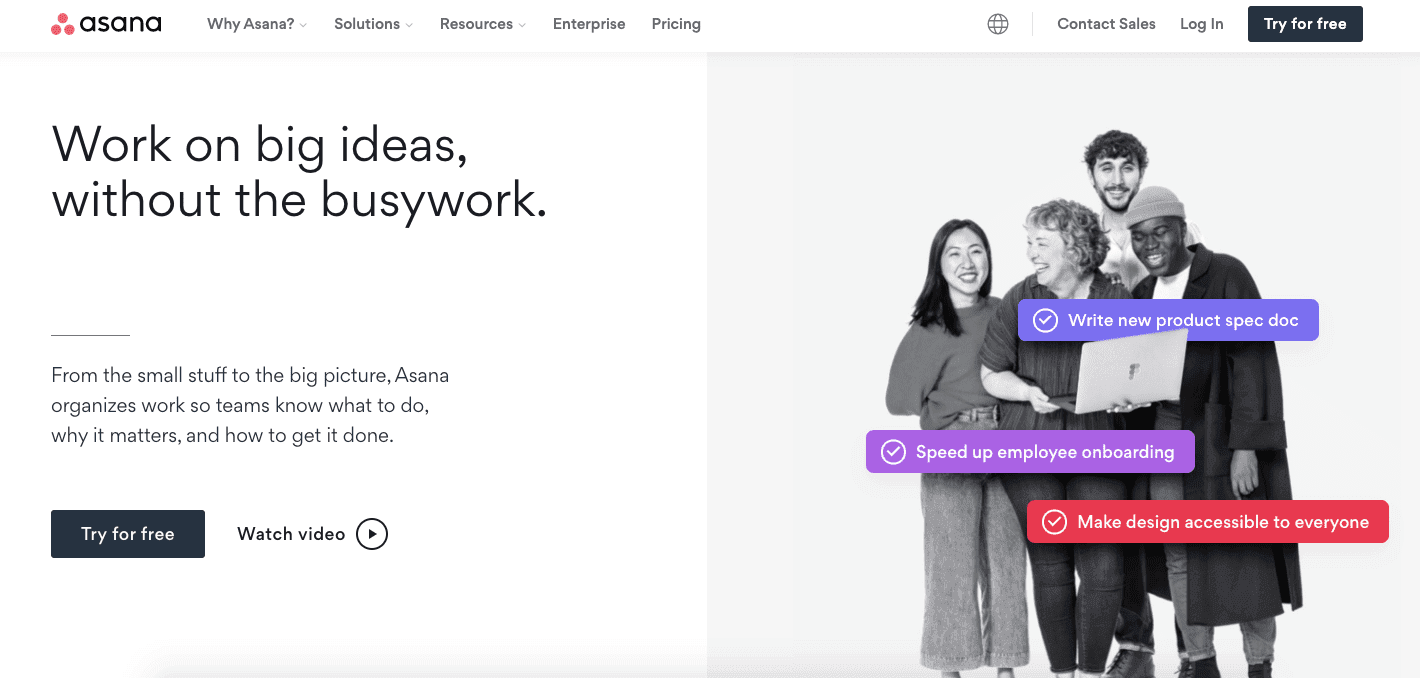
For buyers, the presentation of text is as important as its content. Gothic fonts, for example, do not encourage reading. Therefore, text should be presented in a readable font with sufficient spacing between letters, words, and lines—an interval of 1.5 or more is recommended. A solid block of text is not readable; it is much better when divided into paragraphs, with numbered and bulleted lists.
Attention should be paid to the contrast in presenting information. Placing calls to action, contact information, and links in contrasting colors, as well as menu items, is effective.
Conclusion
Despite the importance of web resource design, it is not the only way to increase conversion rates. Contact the specialists at Online Media to get effective advice on improving the performance and profitability of your business.
By focusing on these principles, you can create a website design that not only looks good but also enhances user experience and drives conversions. Ensuring that your design is user-friendly, visually appealing, and optimized for conversion will significantly impact your website’s performance and business success.