Brand book: what it is, main components, purpose, and examples

High competition in today’s world and the abundance of similar offerings require brands to develop their own successful business strategy, promote it, and strictly adhere to it. According to marketing research, thoughtful branding can increase company profitability by over 20% annually.
The brand concept is ideally developed at the project’s inception. At this stage, it’s crucial to clearly define the mission, business philosophy, unique style, and tone of communication to maintain consistency across all marketing campaigns and internal and external communications. All these key aspects are documented in a brand book, a vital tool for branding. Let’s take a closer look at what a brand book is, its significance in business development, its main components and functions, and some of the best examples from well-known companies.
What is a brand book?
In short, a brand book is a corporate standard that encompasses not only the company’s style and logo but also its concept, mission, and goals. The primary task of a brand book is to detail the brand image and establish specific rules for its use to maintain business identity and enhance recognition, which affects reputation and consumer loyalty.
Creating this document allows for the systematic collection of all company information, making it accessible to employees and other interested parties. Since a company’s brand book consists of a detailed description of the business ideology, its values, corporate graphics, voice, and visual examples, its existence helps every team member adhere to corporate rules. This information is also provided to media representatives, partners, outsourcing agencies, or contractors when working on joint projects.
Understanding what a brand book is and recognizing the importance of its creation and timely execution helps avoid many future mistakes and wasted promotion budgets.
Brand book or guideline? What’s the difference?
The fundamental elements for brand identity are recorded in both the brand book and guidelines, but they are far from synonymous. Since these two concepts are often confused, let’s clarify their differences, uses, and specifics.
- Guideline: This is a set of recommendations for the visual representation of the brand. It includes detailed rules for using the corporate style, logo, fonts, visual requirements for advertising media, textual information, and more. A logo book, which contains a detailed description of the logo and requirements for its use, can also be identified separately.
- Brand Book: This is a much broader concept. It contains information about the business concept, its goals, and philosophy. It serves as a “manual” for marketers and a “Bible” for designers, detailing how to work on promoting and popularizing the company. The elements and materials that make up the brand book help maintain a consistent style across all communication channels, not just in the visual representation of the brand.
Thus, a logo book can be part of a guideline, and a guideline, in turn, can be part of a brand book. However, the first two documents can also be used independently as detailed descriptions of the visual design of the logo and corporate style.
Key components of a brand book
To better understand the document, it’s essential to explore the main components of a brand book. It covers several key elements that define the business concept, style, and visual presentation.
- Company ideology
-
- Describes the brand’s philosophy, mission, goals, and development concept.
- Provides necessary information for employees to understand the company’s mission and field of activity.
- Logo
-
- Detailed instructions on the use of the logo(s), size range, isolation zone around the logo, background, and placement rules.
- Information used by employees, journalists, PR and HR departments, and legal teams.
- Color palette
-
- Lists the primary colors to be used in visual materials and additional colors.
- Provides advice on color combinations.
- Fonts
-
- Set of fonts allowed for use in logo design, advertising materials, and their sizes.
- Information on corporate fonts, possible combinations, and their usage.
- Text formatting
-
- Recommendations for text formatting according to the corporate style on internet resources, advertising materials, presentations, letterheads, business cards, etc.
- Corporate graphics
-
- Information on the use of backgrounds, textures, patterns in marketing campaigns and material design.
- Recommendations on image selection, appearance, and processing.
- Brand voice (Tone of voice)
-
- Guidelines for the tone of communication in all forms.
- Key phrases and expressions recommended for use in verbal and written contacts.
- Mockups
-
- Visual samples where elements of the corporate style are presented in real-life situations.
By reviewing the brand book, employees can systematize their understanding of the brand, its concept, and receive guidance on using corporate fonts, colors, and images.
Functions and purpose of a brand book
The brand book defines the corporate standard, maintaining the unity of the corporate style in all its manifestations—from client and partner communication to business cards and outdoor advertising design. Summarizing the main functions and tasks of a brand book, we get:
- Defining business strategy: outlining business development strategies and directions to maintain company identity.
- Systematizing information: organizing company information, from its history and creation concept to the fonts and colors to use on letterheads.
- Reducing brand style deformation risks: preventing style changes by individual employees.
- Creating a unified style: ensuring a consistent style is used in visual products, room design, materials, documents, etc.
- Establishing communication voice: setting the tone for communication with clients and partners.
- Setting logo and style usage requirements: establishing rules for logo use, corporate style, fonts, and colors.
Brand book examples from famous companies
To better understand what a brand book is, let’s look at examples of successful implementation by well-known companies.
Vans
The brand book outlines the company’s history, goals, values, and positioning, providing information about the potential client and communication recommendations. It extensively covers Vans products, corporate colors, fonts, and their sizes.

Mozilla
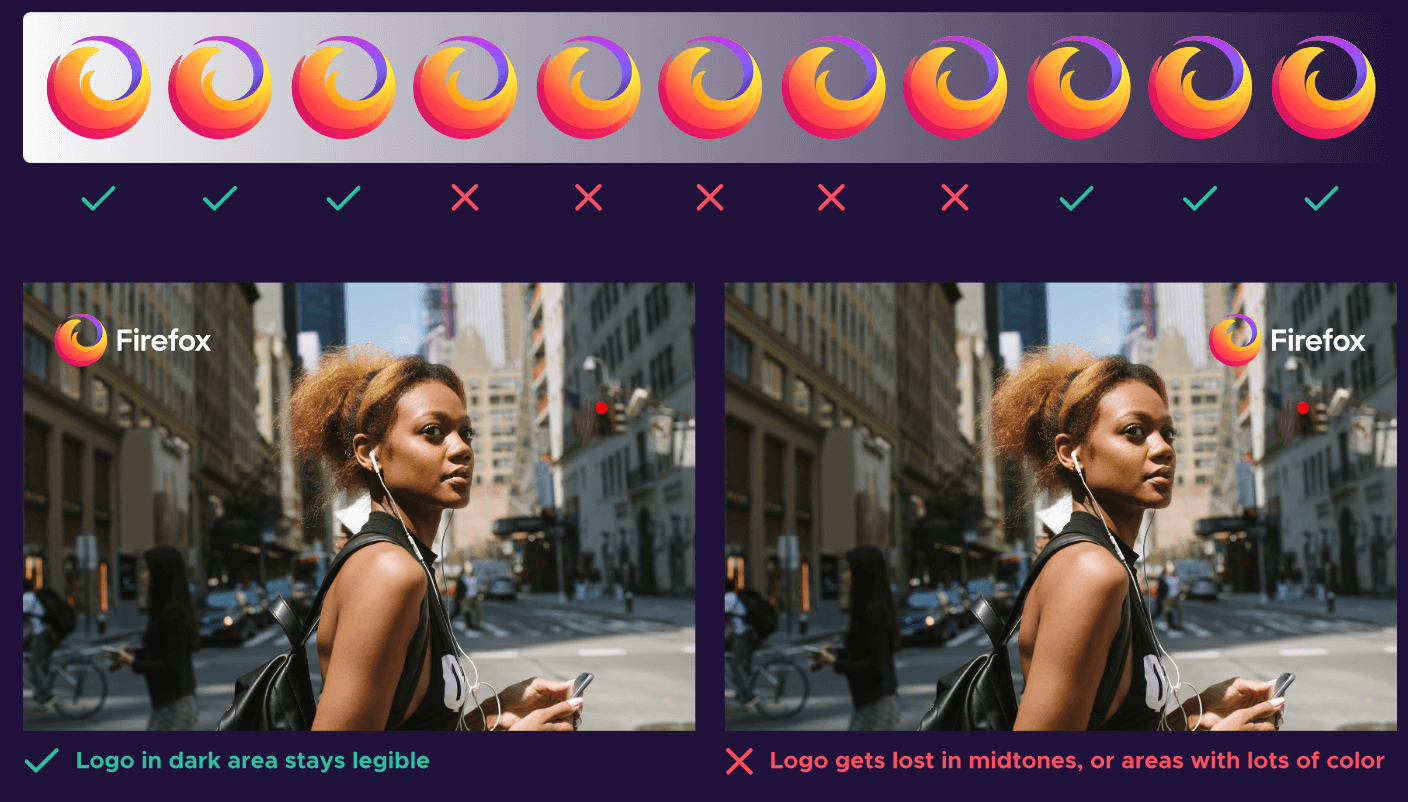
An excellent example of defining corporate standards, it includes information about the company, identity foundations, and shared development vision. It specifies requirements for colors, graphics, voice, typography, etc.
Starbucks
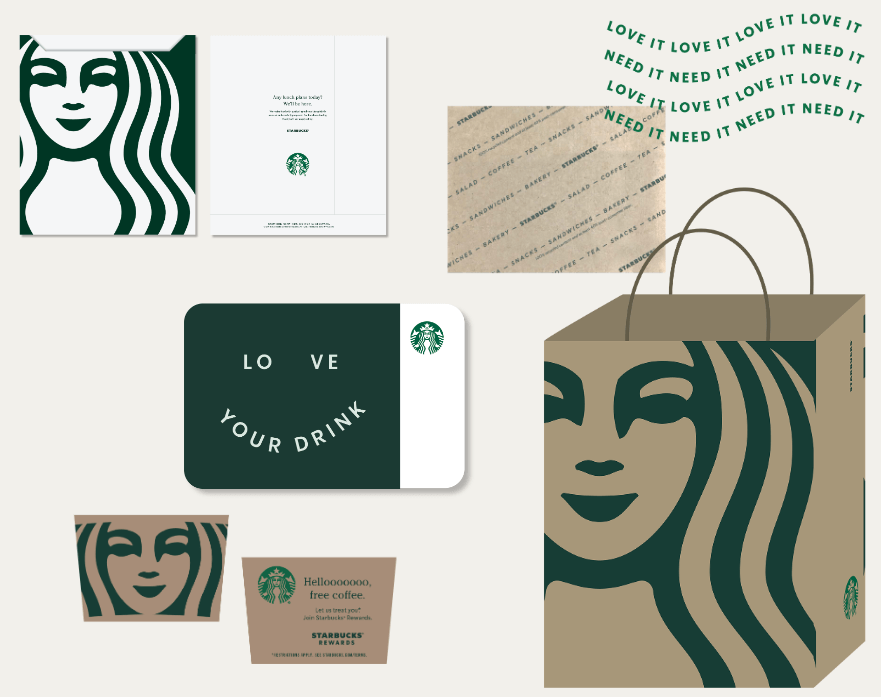
The brand book covers identity, business concept from functionality to expressiveness in voice, design, and visual materials.
Asana
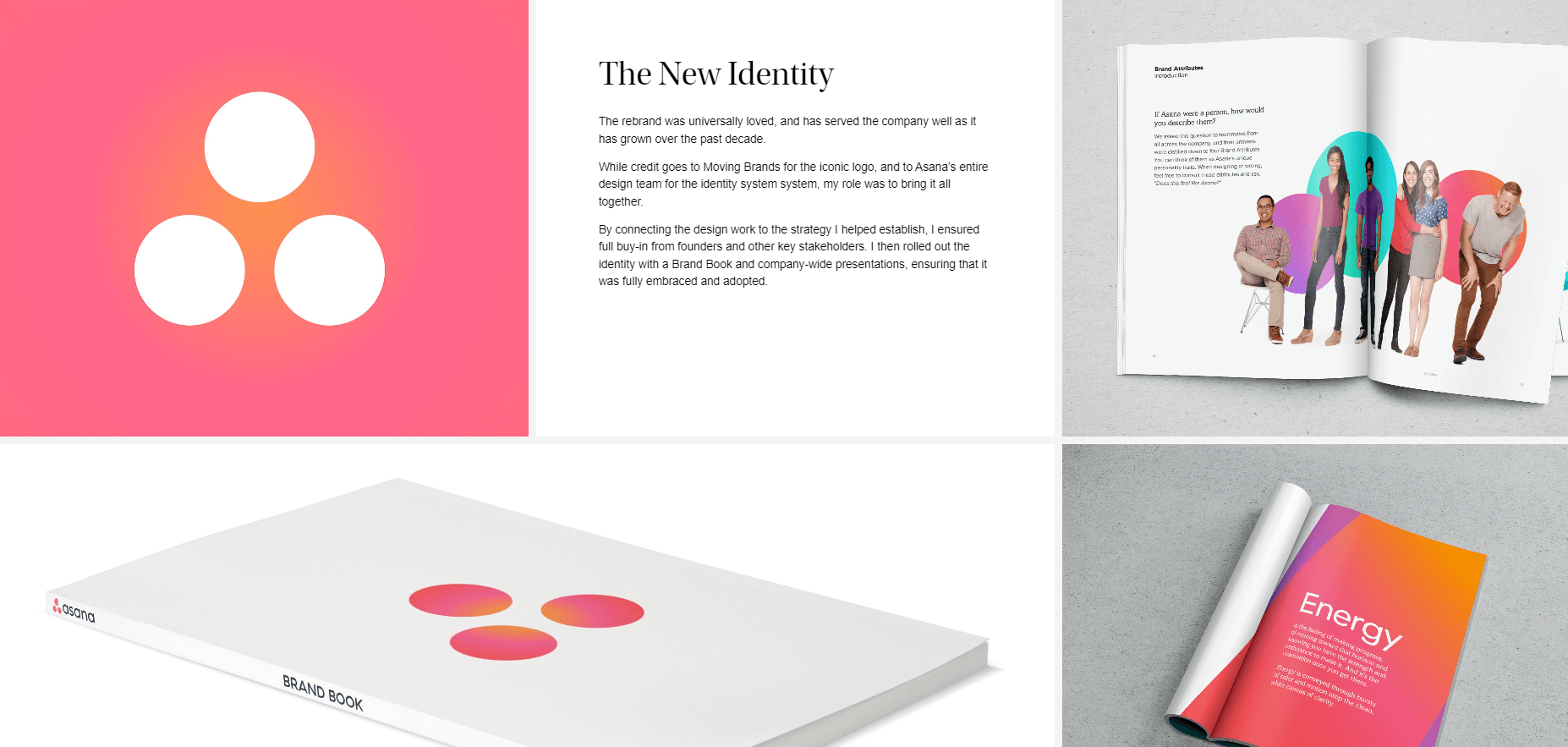
The brand book defines the brand identity as empowerment, focus, accessibility, and whimsy. It outlines UX strategies, concepts, stylistics, and product design.
Spotify
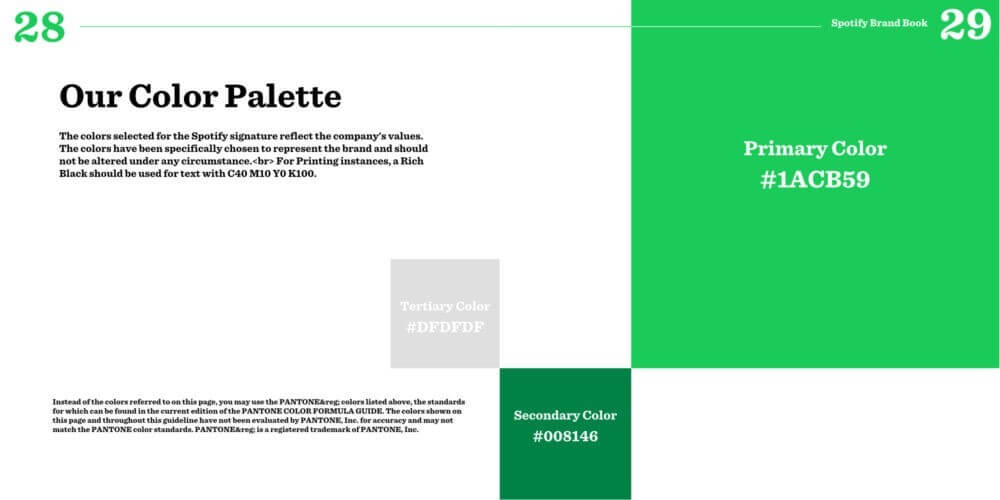
The document style is bold, lively, active, and rich. It clearly defines the business mission and tasks, with significant attention to design recommendations, logo use, color palette, fonts, etc.
Creating a well-thought-out brand book is a crucial step in professional branding, defining the business concept, and influencing brand recognition and successful development.