Google Ads vs Facebook Ads – which advertising platform to choose for your business?
When it comes to paid promotion on the internet, a common question arises: Which advertising is most effective today? Where is it better to launch a campaign – on Facebook Ads or Google Ads? Which platform should be chosen for product advertising, and which for brand promotion?
These popular questions are heard almost daily from clients, and each time we respond – both platforms are good, and the choice depends on the circumstances, individual project and business features, target audience needs, and their preferences. Let’s try to provide comprehensive answers to these common questions by analyzing both platforms in detail, their advantages, and disadvantages.
Google Ads
Google is the most popular search engine in the world, processing about 3.5 billion search queries daily from users everywhere, which equals 40,000 per second. Here, internet users search for literally everything, and the number of queries and visitors to the system is expected to grow in the future. This inevitably impacts the advertising world.
Google Ads is a popular advertising platform where advertisers pay per click or action. They create and launch advertising campaigns that appear in Google search results, on partner websites, in mobile apps, and on the YouTube video hosting platform. With proper campaign setup and management, clients can achieve effective use of their campaigns. Google Ads allows displaying ads specifically to the target audience, tailoring them to interests, demographic characteristics, and audience needs.
Facebook Ads
Facebook is the most popular social network in the world, and Facebook Ads is an advertising platform that allows conducting effective targeted advertising campaigns on the social network itself, as well as on Instagram, Messenger, and Audience Network. It provides access to nearly 3 billion active users and can be configured to show ads based on audience demographics, geographical characteristics, and specific traits.
However, since Facebook and Instagram are more places for relaxation and leisure rather than shopping, advertising here is aimed at brand promotion, improving brand recognition, and generating interest in a particular product or service. It also works excellently for audiences prone to spontaneous, impulsive purchases. Understanding this should guide your choice of where to place your advertising campaign.
Google Ads vs Facebook Ads – platform comparison
The fundamental difference between these two systems lies in their approach to displaying ads and videos. Ads on Facebook, Instagram, or Messenger are shown to users based on their interests, whereas Google displays ads to users based on their search queries, utilizing relevance. In other words, Facebook focuses on popularizing and promoting a brand or product, creating trends among an interested audience. In contrast, Google aims to drive more traffic to the website, directing an audience already interested in the product/service, thus resulting in higher conversion rates.
On the other hand, Facebook ads do not depend on user search queries but rather on their interests. The ability to customize displays based on preferences, behavior models, and demographic characteristics gives targeted advertising its advantages.
Which is better – Google or Facebook advertising?
To determine which advertising platform is better and more effective – Google or Facebook – we need to compare them based on the cost per impression or click, CTR efficiency, and audience characteristics. This will clarify which platform is optimal for promoting a specific type of product, service, or brand.
- Cost
The cost per click in Google Ads is generally higher, sometimes 1.5 times, or even 15 times more. The price depends on system calculations and consumer behavior. If you have a limited budget, Facebook is more affordable and offers effective filters to exclude non-potential users. However, if you aim for quick sales and have a budget, Google provides more effective and powerful tools. - CTR efficiency
As already mentioned, Google provides higher conversion rates in orders due to its approach to showing ads to users already interested in the product or service. Thus, Google’s CTR is always higher. While the effectiveness depends on the specifics of the product being advertised, statistics show that Google’s CTR and conversion rates are generally 1.5-2 times higher than Facebook’s. - Audience
Google handles about 3.5 billion search queries daily, while Facebook and Instagram have around 1.8 billion daily visitors. The ratio of cost per click, CTR, and conversion rates is important, but the size of the target audience can sometimes be decisive. For example, new products not yet known to the market are not searched for in search engines but can be introduced to the target audience on social networks. Therefore, the size of the target audience directly affects campaign effectiveness, and this factor is sometimes difficult to determine without testing the campaign.
What to choose for your business?
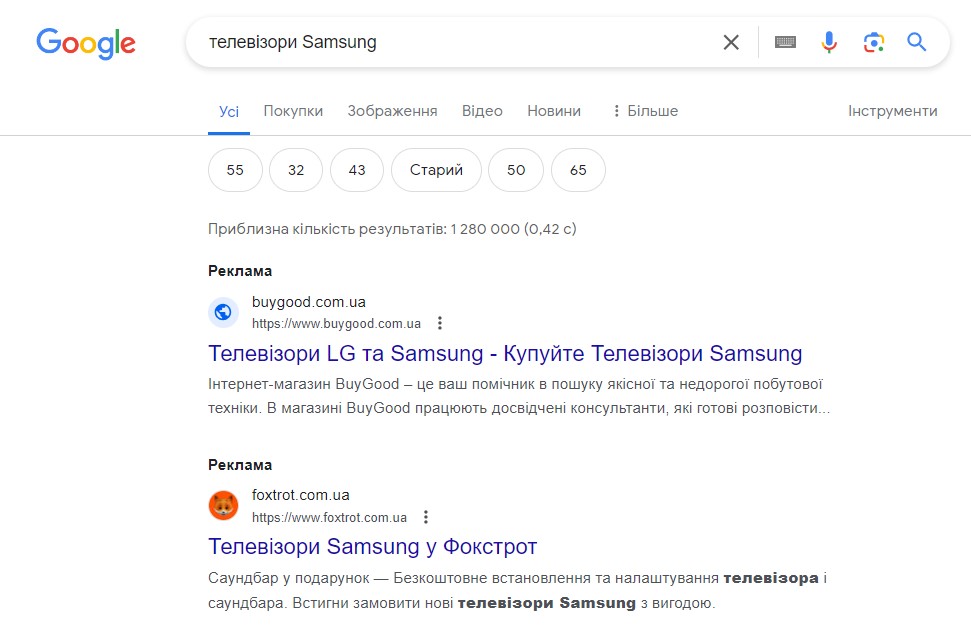
So, as we can see, the choice of platform depends on the specifics of your product/service, budget, and what exactly you plan to advertise. For well-known products such as TVs, iPhones or Samsung phones, power banks, medicines, and similar items, Google Ads is effective. However, it’s important to remember that it is significantly more expensive and requires experience and professionalism to achieve a good return on investment.
Setting up contextual advertising according to the search queries of your target audience must be as precise and high-quality as possible to achieve the desired conversion rate and CTR. This setup should be carried out by specialists, which is a matter of common sense. While a novice businessman learns to manage ads through trial and error, he may waste significant funds and precious time. For the same investment, he could hire professionals from a marketing agency like Online Media and get results immediately.
When it comes to Facebook Ads, it is much more effective for products that have just entered the market and are not yet known to a wide audience. It also provides a deeper understanding of the social behavior and interests of your target audience. With social networks, you can create a community of like-minded individuals and friends around your business, product, or service, constantly updating them with promotions, new services, and products. Facebook Ads is also better suited for spontaneous, impulsive purchases of little-known products.
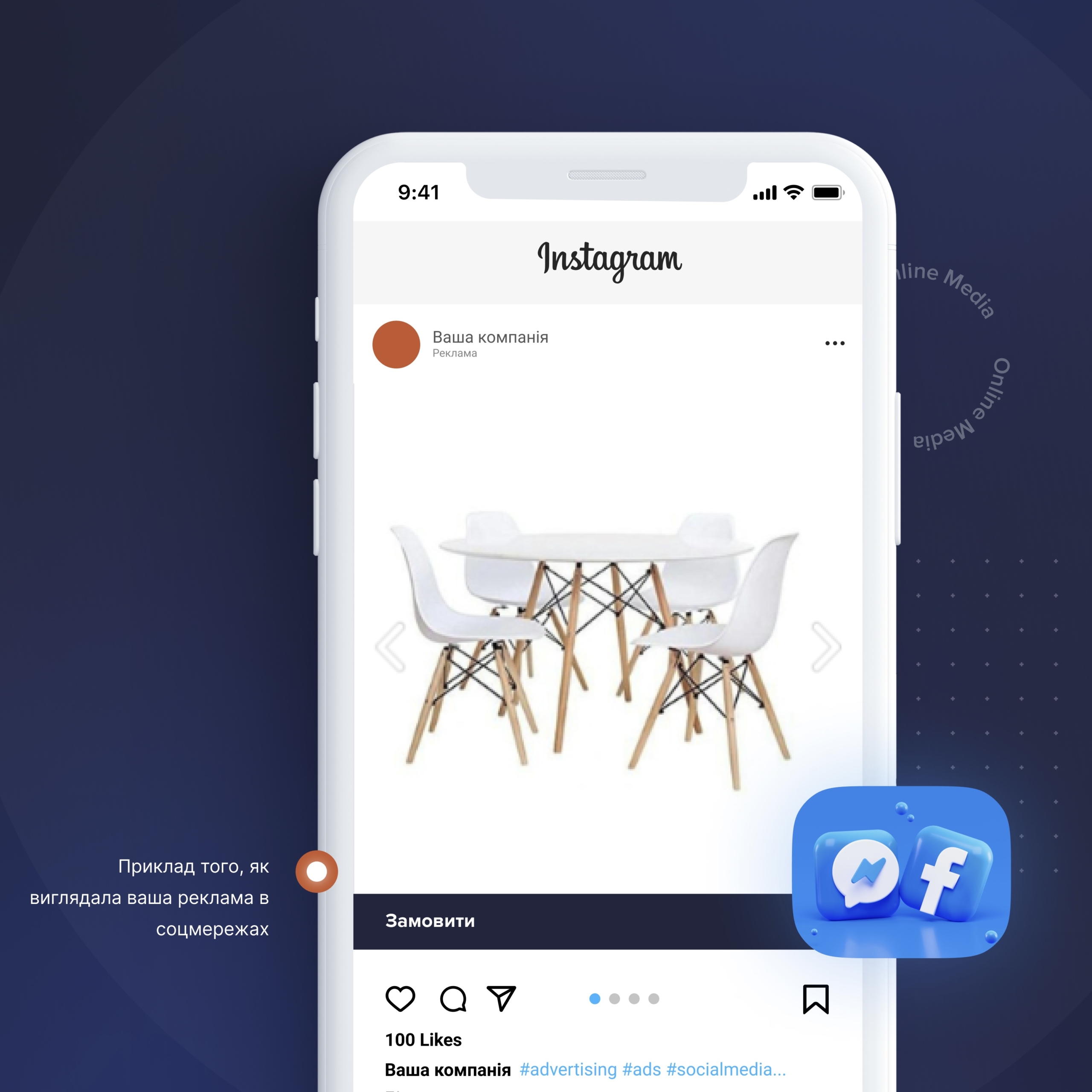
Testing ads on Google and Facebook – the key to understanding your audience and running an effective campaign
Since the size and behavior of your target audience directly impact the effectiveness of a campaign and are sometimes difficult to predict for certain products or services, the only correct tactic remains testing the effectiveness of ads on both Google and Facebook. By using both platforms wisely and understanding the features and advantages of each, you can achieve the best results. Complementing the advertising channels of each platform will yield returns in the form of increased brand awareness, engagement with the product/service, and higher conversion rates and CTR.
As we can see, the question of “which is better” is not quite accurate. Each platform has its specifics, methods suitable for certain products, businesses, and target audiences. The analysis helps make the right conclusions, but if you still have doubts, we recommend consulting professionals at Online Media. With over 10 years of experience in running advertising campaigns, our specialists provide effective setup of targeted and contextual advertising, allowing clients to achieve more conversions at a lower cost with less expenditure.